
Commercial Industrial Land for Gas Plants and Gas Plants to Purchase in Alberta
Alberta draws interest for gas facilities because of its established natural gas network and power demand. The Alberta Electric System Operator (AESO) reported that gas-fired generation supplied 76.8% of Alberta's electricity in 2025, up from 74.7% in 2024, as natural gas fully replaced coal generation across the province's grid (AESO, 2025 Annual Market Statistics). For buyers considering Alberta gas plant land or an existing facility, the two primary paths are developing a new operation or acquiring a plant with existing infrastructure.
Alberta Gas Facility Land Needs
Gas facility land needs depend on the equipment, safety planning, access requirements, and room needed for future operations.
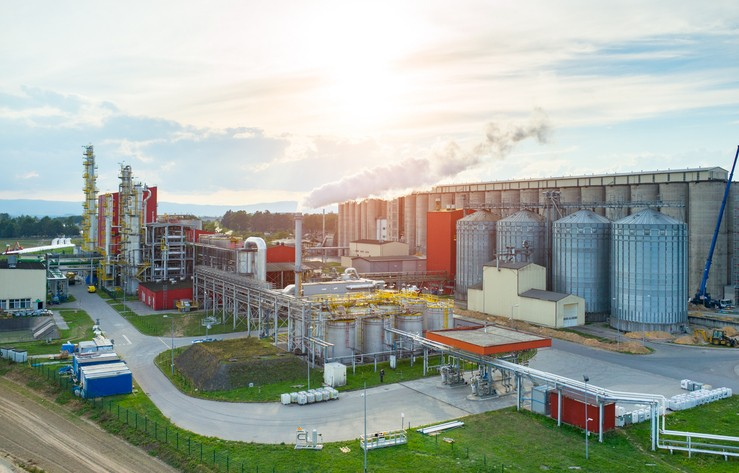
Natural gas processing plants: These facilities need space for inlet systems, separation equipment, storage, utilities, emergency systems, internal roads, drainage controls, and separation from nearby uses. The layout should also allow safe vehicle circulation, maintenance access, and potential additions.
Compressor stations: Compressor stations can have a smaller operating footprint, but they still require dependable pipeline connections, all-weather access, noise planning, electrical service, and sufficient room for maintenance vehicles and safety systems.
Gas-fired power plants: A power facility needs space for generation equipment, fuel-delivery infrastructure, electrical systems, transmission connections, cooling or water systems where applicable, access roads, and construction staging.
A suitable parcel must accommodate buffers, site servicing, stormwater management, emergency access, and expansion without constraining safe operations. Engineering review should confirm that the intended layout fits the land before a purchase agreement becomes firm.
What Makes Alberta Gas Plant Land Suitable
Suitable Alberta gas plant land needs a practical land-use path, reliable infrastructure access, and site conditions that support the proposed operation. Heavy industrial zoning is often the most straightforward starting point, although some projects may require rezoning, a development permit, or discretionary-use approval through the applicable local authority.
Pipeline proximity is important, but a nearby line does not automatically provide a usable connection. Buyers should verify capacity, ownership, routing feasibility, commercial terms, tie-in requirements, and the approvals needed before treating pipeline access as an asset. The NGTL system includes receipt and delivery locations across Alberta, making infrastructure review a central part of site selection.
Generation projects also require early review of electric transmission access and the applicable AESO connection process. Water availability, all-weather highway access, possible rail service, drainage, geotechnical conditions, and setbacks from homes, schools, and other sensitive uses should be considered together.
Current commercial property listings can help identify parcels that warrant an early zoning and infrastructure screen. A property may appear well located but still require substantial servicing, grading, access, or approval work before development is feasible.
Alberta Approvals for Gas Facilities
Gas facilities in Alberta require project-specific approvals that should be confirmed before land is treated as ready for development.
Land-use approvals: Confirm current zoning, permitted or discretionary uses, development-permit requirements, building approvals, road access, and any municipal conditions attached to the parcel.
Energy regulation: Natural gas processing and related upstream activities may require Alberta Energy Regulator review. Facility applications, operating requirements, and technical documentation depend on the project's equipment, location, and operating plan.
Air and emissions approvals: Alberta projects are assessed under applicable provincial environmental rules, with required approvals determined by the facility type and emissions sources. An emissions inventory and regulatory review should be completed before final design.
Water and wastewater requirements: Confirm water sourcing, diversion or use permissions, stormwater controls, wastewater handling, and disposal arrangements. These requirements can affect both layout and timing.
Electricity interconnection: A gas-fired power facility may require AESO connection studies, agreements, and Alberta Utilities Commission processes. The required path depends on the proposed facility and its connection configuration.
Federal considerations: Certain project components can require federal review. Legal counsel should confirm the jurisdiction and approval pathway for the exact facility configuration.
Buying an Existing Gas Plant in Alberta
Buying an existing gas plant can shorten the path to operation, but only when transferable approvals, usable infrastructure, and environmental liabilities withstand detailed review.
| Advantage | What to Review | Potential Obligation |
|---|---|---|
| Existing permits, site infrastructure, utility connections, and operating systems may shorten the path to operation. | Verify which licences, approvals, contracts, and operating arrangements can transfer to the purchaser. | Decommissioning, remediation, reclamation, and asset-retirement responsibilities may remain with or transfer to the buyer. |
| Historical throughput and equipment records can provide a starting point for technical review. | Review maintenance history, integrity records, equipment condition, shutdown history, and production constraints. | Contract terms should allocate responsibility for known and unknown environmental conditions. |
| An established location may have road access and stakeholder familiarity. | Assess land tenure, access rights, pipeline agreements, utility capacity, and restrictions on expansion. | Closure planning should be evaluated alongside acquisition economics, not deferred until after closing. |
Environmental Due Diligence
Environmental due diligence should begin before conditions are removed from an Alberta gas plant or industrial-land purchase agreement. A Phase I environmental site assessment is the standard first step for reviewing historical uses, available records, visible conditions, and potential sources of contamination. If that review identifies recognized environmental concerns, a Phase II assessment may be appropriate to investigate soil, groundwater, or other site conditions.
For an operating or previously operated facility, buyers should request environmental reports, incident records, remediation files, reclamation documentation, hazardous-material inventories, waste-handling records, and regulatory correspondence. These materials can clarify whether historical operations may affect future use, financing, redevelopment, or closure planning.
The purchase contract should address access for investigations, responsibility for pre-existing conditions, indemnities, holdbacks where appropriate, and procedures for responding to newly discovered issues. Environmental findings can materially affect value, the practical timeline for restarting operations, and the cost of upgrading an existing site.
A technical review team should include environmental specialists familiar with the facility's processes and operating history. Buyers should also confirm which records are available from applicable provincial systems and regulators before relying on seller-provided documents alone.
Pro-Tip: Visit an Alberta industrial site in more than one season when possible. Spring runoff and winter operating conditions can reveal access, drainage, snow-management, and utility issues that a single visit may not show.
Alberta Community Considerations
Community considerations can influence whether a gas facility progresses smoothly in Alberta. Public hearings, development-permit notices, and consultation processes may allow nearby landowners, businesses, and Indigenous communities to raise questions about traffic, noise, air quality, water management, visual impacts, emergency planning, and future expansion.
Buyers should understand the local planning context before submitting an application. Review the applicable land-use bylaw, statutory plans, transportation routes, servicing capacity, and the local authority's approach to heavy industrial development. Early communication does not replace formal approvals, but it can identify concerns that affect site layout, operating practices, or the project schedule.
Local economic-development incentives may be available in some circumstances, particularly where a project supports employment, infrastructure investment, or industrial diversification. Incentives are not automatic and should be assessed alongside tax treatment, utility costs, land conditions, approval risk, and long-term operating needs.
For an existing facility purchase, community due diligence should include reviewing the site's operating history and understanding commitments that may remain relevant after ownership changes. A prepared buyer enters local processes with a clear operating plan, qualified technical support, and realistic timing expectations.
Alberta Gas Plant Land Market Snapshot
Industrial acreage, pricing, and plant transaction terms vary substantially by Alberta location, zoning certainty, infrastructure access, environmental history, parcel configuration, and existing improvements. The Canada Energy Regulator's NGTL profile describes a large natural gas gathering and transportation system with receipt and delivery locations across Alberta and northeastern British Columbia.
| Market Factor | Alberta Consideration |
|---|---|
| Industrial acreage | Availability is location-specific, particularly where pipeline, transmission, highway, and servicing access overlap. |
| Land pricing | Pricing should be assessed through current comparable sales, active listings, land tenure, and the cost of required site work. |
| Existing plant transactions | Publicly disclosed plant deals may not reveal all commercial terms, liabilities, or operating agreements. |
| Grid demand | Alberta's average internal electric load reached 10,316 MW in 2025, up 2.0% year-over-year, with industrial demand identified as a contributor to growth (AESO, 2025 Annual Market Statistics). |
| Pipeline context | Pipeline access must be reviewed for capacity, routing feasibility, commercial terms, and connection requirements. |
Whether you build or buy, Alberta gas plant land and existing facility acquisitions require disciplined site screening and thorough due diligence. The strongest opportunities align land use, infrastructure, regulatory requirements, environmental conditions, and a realistic operating plan before capital is committed.
Searching for Gas Plant Land or an Existing Plant in Alberta?
Adam McMillan of McMillan Real Estate Group helps commercial buyers and investors evaluate Alberta industrial land and operating-facility opportunities. Reach out at +1 (403) 969-6991 or mcmillanrealestategroup@gmail.com to discuss confidential requirements for acreage, zoning, infrastructure access, or an existing gas plant acquisition.
What you get when you reach out:
- A confidential search for industrial parcels and plants that fit your acreage, zoning, and infrastructure needs.
- Early screening of each site for pipeline access, utilities, and zoning fit.
- Coordination with environmental, engineering, and legal professionals for due diligence.
FAQ
What zoning is needed for a gas plant?
Heavy industrial zoning is commonly the most suitable starting point for a gas plant in Alberta. The specific use must still be confirmed under the applicable local land-use bylaw, and a project may require discretionary-use approval, a development permit, or rezoning depending on the facility and site.
How much land does a gas plant need?
Land requirements vary with the facility's equipment layout, safety buffers, road access, drainage, utility infrastructure, and future expansion plans. A compressor station can have a more compact footprint than a processing plant or gas-fired power facility, but each project needs site-specific engineering review.
Is it faster to buy an existing gas plant or build a new one?
Purchasing an operating facility may reduce the development timeline when its infrastructure and approvals remain usable after closing. Before relying on that advantage, buyers should examine equipment condition, transfer requirements, contract rights, environmental responsibilities, and the site's fit for planned operations.
Do permits transfer when a gas plant is sold?
Some approvals can be transferred or amended after an ownership change, while others may require regulator notification, consent, or a new application. Each licence, authorization, and operating agreement should be reviewed with the relevant regulator and legal counsel before closing.
What environmental checks should I do before buying?
Begin with a Phase I environmental site assessment to review site history, available records, visible conditions, and potential environmental concerns. When that work identifies issues requiring further investigation, a Phase II assessment can examine soil, groundwater, or other relevant conditions.
Categories
Recent Posts