
Commercial Land for Airports in Alberta
Commercial land for airports in Alberta can support logistics, aviation services, parking, hospitality, and airport-oriented industrial operations, but every site must meet aviation, municipal, and servicing requirements. Unlike a typical commercial parcel, airport-area land can be subject to height limits, noise restrictions, lighting controls, access rules, and airport-specific lease conditions.
The strongest opportunities are sites where permitted use, transportation access, utilities, and airspace compatibility align. Before committing, buyers should establish whether land is airport-controlled, privately held, or affected by an airport vicinity protection area, municipal overlay, easement, or other safeguard.
Commercial Land for Airports in Alberta: Types of Airport-Related Sites
Commercial land for airports in Alberta generally falls into four categories, each with a different ownership structure and approval path. Land located on airport property is often available through a ground lease rather than an outright sale. The airport operator may establish permitted uses, design standards, operating conditions, and rules for improvements at the end of the lease.
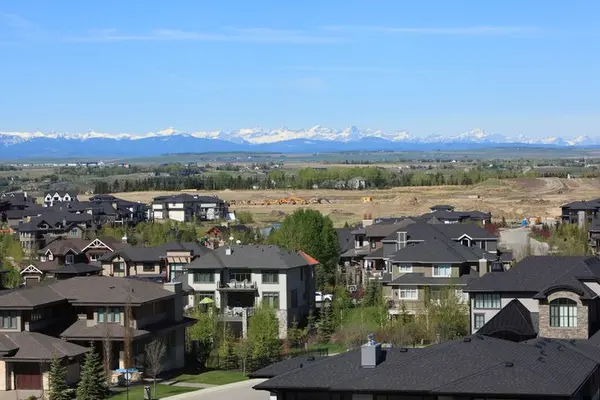
Airport-adjacent parcels are privately owned sites near airport access routes. They may suit hotels, surface parking, vehicle rental operations, restaurants, retail services, warehousing, and distribution facilities when local land-use rules allow the intended business. Suitable sites also need practical truck access, servicing capacity, drainage planning, and compatible neighbouring uses.
Airpark and through-the-fence parcels can provide a closer connection to aviation activity. Runway access is never automatic, so buyers should obtain written confirmation of the airport's operating policy, security requirements, and any agreement needed for aircraft movement between private land and airport facilities.
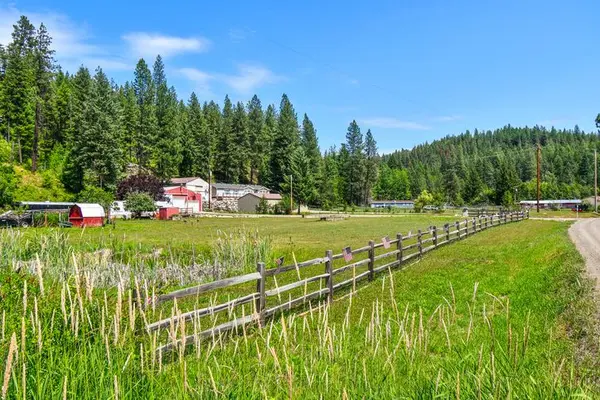
Rural acreage may support a private airstrip or aviation-related use when municipal approvals, site conditions, and aviation coordination align. Road access, utility capacity, surrounding development, drainage, and safe airspace all influence whether a concept can proceed. Buyers can compare suitable available property listings with the intended operational requirements before placing a value on airport proximity.
Commercial Land for Airports in Alberta: Common Uses and Buyers
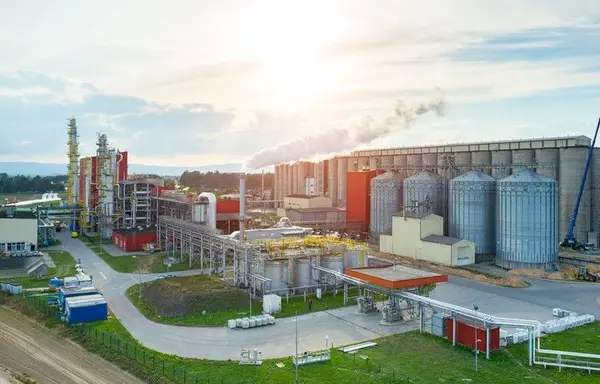
The best uses for commercial land for airports in Alberta are operations that benefit from freight movement, aircraft access, traveller demand, or major-road connectivity. Logistics and air cargo users may seek space for distribution centres, cross-docking facilities, vehicle staging, and last-mile warehousing. These buyers commonly prioritize truck circulation, loading capacity, reliable utilities, and layouts that avoid conflicts with airport activity.
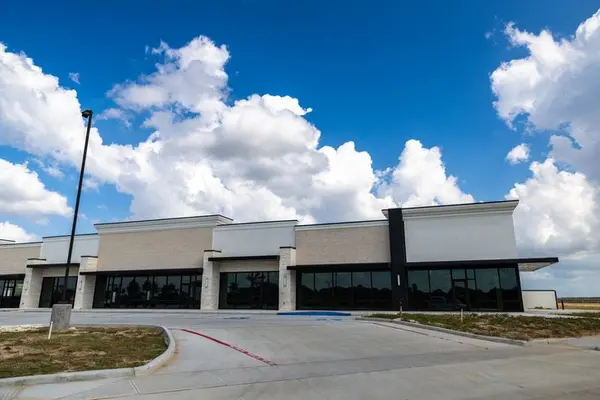
Traveller-facing businesses can include hotels, restaurants, fuel stations, vehicle services, and park-and-fly lots. Their viability depends on legal access, visibility, permitted signage, drainage, and the ability to accommodate peak vehicle traffic. Airport proximity alone does not authorize every commercial use, so buyers should confirm the applicable use class before negotiating a purchase or lease.
Aviation-oriented users may need hangars, fixed-base operations, flight schools, aircraft maintenance space, charter support, or specialized storage. These businesses can require added coordination with the airport operator because apron access, security, fueling, aircraft movements, and building height may affect approvals.
Investors should assess the future customer base as well as the current use. A parcel with compatible zoning and expandable servicing may support phased development, while a constrained site may be better suited to a lower-intensity operation. The intended user, rather than airport proximity alone, should drive site selection.
Zoning and Airport Overlay Districts for Alberta Airport Land
Zoning and airport overlays determine what can be built on commercial land for airports in Alberta, even where the base district permits commercial or industrial activity. A parcel may be near a runway, flight path, airport boundary, or future infrastructure corridor, and each relationship can trigger another layer of review. Start with the municipality's land-use bylaw and request confirmation of permitted, discretionary, and prohibited uses for the intended operation.
Airport vicinity protection areas and safeguarding tools can limit development that conflicts with aircraft operations. Noise contours may constrain residential and other noise-sensitive uses, while height, lighting, glare, drainage, waste handling, and landscaping choices can require review. Alberta's municipal planning framework gives local governments a central role in land-use decisions, while airport-specific controls may add conditions. The Government of Alberta's Municipal Government Act resources provide provincial planning context.
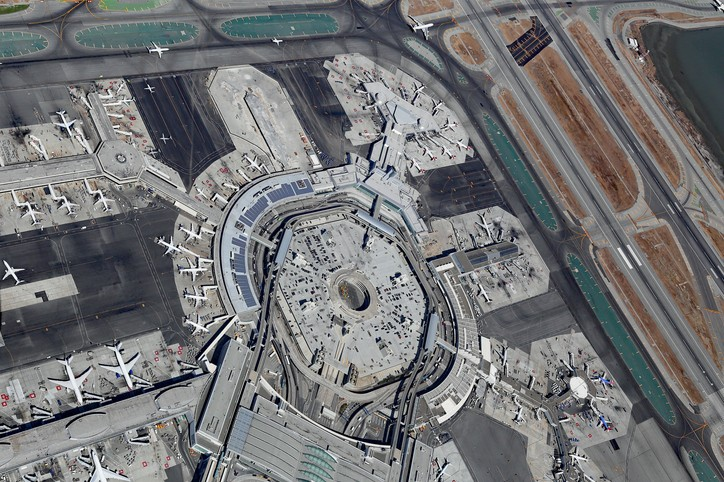
The mix of controls varies by airport and by the statutory plans, mapping, and approvals governing the parcel. Buyers should obtain the airport master plan, municipal development plan, area structure plan where applicable, land-use map, compatibility mapping, and easement information. These documents can flag planned road alignments, safeguarding surfaces, servicing routes, and land reserved for aviation functions.
Federal airport zoning regulations can also apply beyond airport boundaries to protect safe operations. Transport Canada explains that these regulations can address obstacle heights, wildlife hazards, and interference risks. Municipal approval does not replace aviation review. Confirm the sequence for site planning, construction equipment, building elevations, exterior lighting, stormwater features, and operational uses before committing to a design or acquisition.
FAA Height Concepts and Canadian Airspace Review
FAA Part 77 and Form 7460-1 are not the governing approval tools for commercial land for airports in Alberta, but the underlying risks are relevant: proposed buildings, cranes, antennas, and temporary equipment can require aviation review when they may affect safe aircraft operations. Alberta projects should follow the applicable Canadian process with the airport operator, municipality, Transport Canada, and aviation service providers.
| Development issue | What to confirm before proceeding |
|---|---|
| Building and crane height | Obtain an airspace review before finalizing elevations, cranes, antennas, or temporary equipment. |
| Obstacle notification | Confirm the applicable Canadian notification and aeronautical assessment process before construction planning. |
| Lighting and glare | Verify that exterior lighting, reflective materials, illuminated signs, and glazing will not distract or confuse pilots. |
| Wildlife attractants | Review stormwater, waste handling, landscaping, and food-related operations for potential bird-attraction concerns. |
| Airport access | Confirm security, vehicle, and aircraft access requirements directly with the airport operator. |
Transport Canada's airport zoning regulations can restrict the heights of structures and natural growth, along with land uses that create wildlife or electronic-interference hazards. Site-specific review remains essential because airport controls and municipal approvals can apply together.
Site Due Diligence Checklist for Airport-Area Land
A complete review of commercial land for airports in Alberta identifies development barriers before significant time is committed to design, financing, or approvals. Airport-oriented land requires ordinary commercial due diligence plus aviation-specific review.
- Survey, title, and easements: Confirm boundaries, access, utility rights-of-way, restrictive covenants, and avigation easements affecting aircraft overflight, noise, or height.
- Land use and airport compatibility: Obtain written confirmation of zoning, permitted uses, airport-related overlays, and the approval route for the intended operation.
- Environmental review: Order a Phase I environmental site assessment, particularly where fuel storage, maintenance activity, industrial operations, or historical fill may be relevant.
- Utilities and servicing: Check water, wastewater, power, communications, fire-protection capacity, drainage, and the cost of extending services.
- Soils and site engineering: Review geotechnical conditions, grading, stormwater management, and pavement requirements for heavy vehicles or aviation facilities.
- Road and operational access: Verify legal highway access, turning movements, loading circulation, emergency access, and airport security controls.
Commercial Land for Airports in Alberta: Buying Versus Ground Leasing
Buying provides long-term land control, while ground leasing can offer strategic airport access with a lower initial land commitment. The better structure depends on the operating model, required improvements, financing plan, and value of direct proximity to airport facilities.
| Consideration | Buying outright | Ground leasing |
|---|---|---|
| Land control | Long-term ownership, subject to applicable restrictions | Control is limited by the lease and airport policy |
| Upfront capital | Higher land acquisition requirement | May reduce initial land cost |
| Financing flexibility | Often clearer for long-term improvements | Can depend on lease term and lender requirements |
| Transfer or subleasing | Usually more flexible, subject to title restrictions | Often requires landlord approval |
| Improvements at expiry | Improvements remain with the owner | Reversion provisions may apply |
| Suitable buyer | Investor or operator seeking durable control | Aviation user prioritizing airport access |
Buying airport-area land can suit investors planning durable industrial buildings, logistics facilities, or a long-term operating base. It may provide greater certainty around improvements, financing, and an eventual sale. The trade-off is a larger initial commitment and possible responsibility for servicing upgrades, site remediation, off-site improvements, and approvals. Privately owned land can still be affected by airport protection rules.
Ground leasing can make airport-controlled land available to businesses that value location more than permanent ownership. Before signing, review the lease length, renewal options, rent escalation, permitted-use clauses, maintenance obligations, assignment rights, insurance requirements, and improvement provisions. Reversion language deserves close attention because buildings, paving, and utility infrastructure may remain with the landowner when the lease ends.
Alberta Airport Land Market Snapshot
Commercial land for airports in Alberta does not have a single province-wide price or acreage benchmark because airport proximity, municipal zoning, highway access, servicing, and permitted use can materially change value from one parcel to another. Buyers should treat asking prices as site-specific indicators, not as a reliable airport-land average.
Demand is generally tied to freight access, industrial circulation, aviation services, traveller support, and land suitable for storage or operational facilities. Airport planning, road upgrades, servicing investment, and land-use policy changes can influence feasibility, but each factor should be verified through the relevant municipal and airport planning documents.
For Alberta buyers, the most useful market measure is the number of parcels that meet the required use, access, servicing, airspace, and ownership criteria at the same time. A site may appear available and well located, yet offer limited value if airport safeguards, infrastructure capacity, or land-use permissions do not support the planned operation.
Commercial land for airports in Alberta can be a strong long-term play when zoning, Canadian aviation rules, access, servicing, and ownership structure line up. Detailed due diligence helps buyers distinguish a strategically located parcel from one that cannot support the intended aviation, logistics, hospitality, or industrial use.
Looking for Commercial Land Near an Airport in Alberta?
Adam McMillan of McMillan Real Estate Group helps investors, developers, and aviation businesses evaluate commercial land for airports in Alberta. Reach out at +1 (403) 969-6991 or mcmillanrealestategroup@gmail.com to discuss site requirements, ownership options, and early land-use considerations, including:
- A curated selection of airport-area parcels matched to intended use and acreage needs
- An early review of zoning, overlay, access, and height considerations
- Introductions to survey, environmental, and land-use professionals for due diligence
FAQ
Can I buy land on airport property?
Often, land on airport property is available through a ground lease rather than a direct purchase. The ownership model varies by airport, so buyers should request the current land-development policy, lease form, permitted-use rules, and improvement provisions before making an offer.
Do FAA rules limit what I can build near an airport?
FAA requirements do not directly govern Alberta projects, but comparable airspace and obstacle considerations can restrict height, lighting, glare, and certain site uses. Confirm the applicable Canadian review process with the municipality, airport operator, Transport Canada, and aviation service providers before finalizing plans.
What businesses do well near airports?
Businesses that rely on freight movement, aircraft activity, traveller demand, or major-road access are often well positioned near airports. Suitable uses may include logistics, warehousing, parking, hospitality, fuel-related services, hangars, maintenance operations, and flight-related businesses where permitted.
How do I know if a parcel is in an airport overlay zone?
Review the municipality's zoning map and land-use bylaw, then request airport compatibility mapping, protection-area information, and applicable easement records. A written planning response is more dependable than a map alone because site-specific rules may apply.
Can I build a private airstrip on my land?
A private airstrip may be possible if municipal land-use rules, safe airspace, site design, and aviation coordination align. Engage the municipality and appropriate aviation authorities early, before purchasing land or planning construction.
Categories
Recent Posts