Commercial Real Estate in Cochrane, Airdrie and Canmore
When most people think about real estate, they picture a front lawn and a “For Sale” sign. But some of the most interesting activities in Cochrane, Airdrie, and Canmore right now are happening on the commercial side: the retail bays, offices, warehouses, and mixed-use buildings that keep local economies running day to day.
If you own a small business, you're weighing your first commercial purchase, you're planning to sell a building you've held for years, or you're simply trying to figure out where to put investment dollars to work, it helps to understand how these three markets actually differ from one another. This guide is meant to be a starting point for that thinking, not a sales pitch. We'll walk through what's happening in each town, what buyers and sellers should pay attention to, and where the opportunities tend to sit.
Three Towns, Three Different Commercial Personalities
Cochrane, Airdrie, and Canmore all sit within a short drive of one another, but their commercial real estate markets run on very different logic.
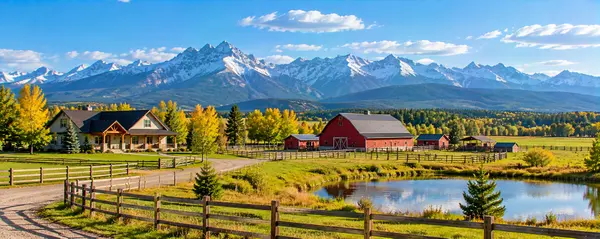
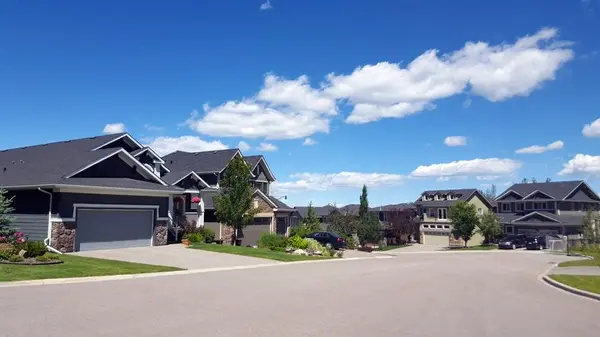
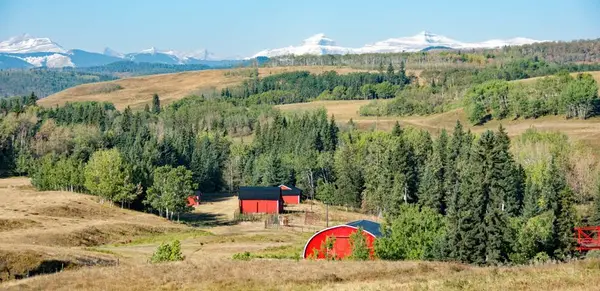
Cochrane has built its identity around a well-preserved, walkable downtown core and a fast-growing residential base around it. Its commercial character is a genuine mix: heritage storefronts downtown, and newer retail, service, and light industrial space in growing pockets like River Heights. As new neighborhoods fill in, local demand for everyday services, salons, clinics, contractors, cafes, tends to follow close behind.
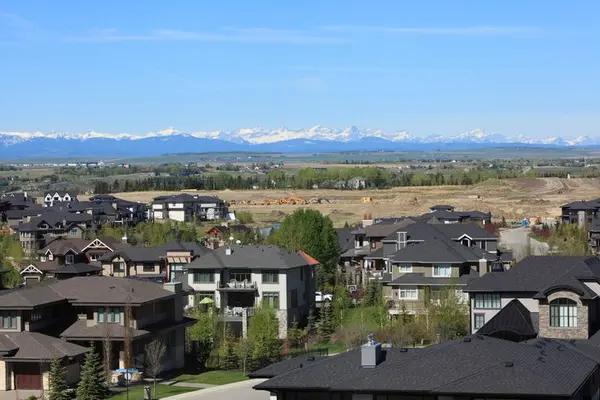
Airdrie has grown into one of the more active commercial and industrial corridors in the region, largely because of its highway access. Its industrial parks sit along a major transportation corridor, which makes them attractive to logistics, distribution, and light manufacturing tenants and buyers. Downtown Airdrie carries more of the retail and office character, with a mix of established businesses and newer commercial buildings. If you want a deeper look specifically at Airdrie's commercial investment landscape, we've written a dedicated guide to that here.
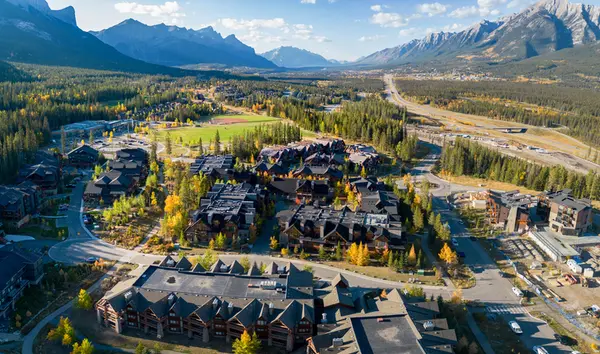
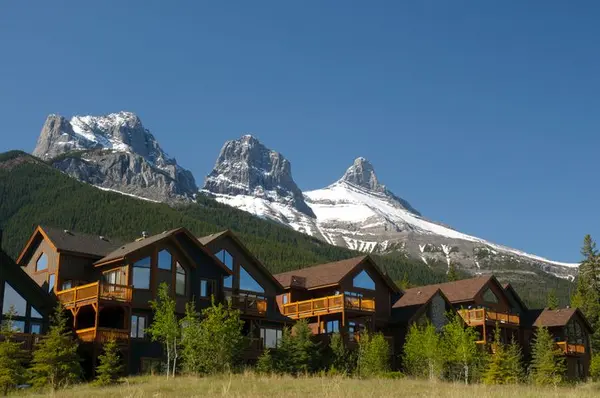
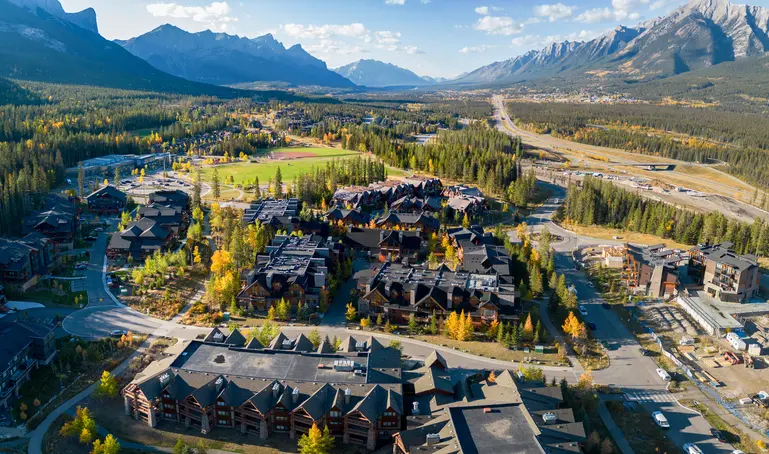
Canmore plays by a different set of rules entirely. Surrounded by mountains with genuinely limited developable land, its commercial market is shaped almost entirely by tourism. Hospitality, visitor-facing retail, restaurants, and mixed-use buildings near the town centre make up much of its commercial inventory, and space is scarce relative to demand. That scarcity cuts both ways: values tend to hold up well, but the pool of available commercial properties is small.
What Falls Under "Commercial Real Estate," Exactly
If you're newer to this side of the market, it helps to know the basic categories, since financing, inspections, and even the questions you should ask change depending on the type of property:
- Retail: storefronts, strip malls, standalone shops
- Office: professional space, from single suites to full buildings
- Industrial: warehouses, light manufacturing, distribution space
- Mixed-use: buildings combining retail or office space with residential units above or alongside
- Land: undeveloped or partially serviced parcels zoned for future commercial or industrial use
Each category behaves differently as an investment. Industrial space tends to offer longer, more stable lease terms. Retail success is closely tied to visibility and foot traffic. Mixed-use properties can diversify income but add a layer of management complexity.
What's In It for First-Time Commercial Buyers
Buying your first commercial property is a different process than buying a house, and it's worth going in with clear eyes. A few things matter more here than they do in a residential purchase:
- Zoning first, everything else second. What a property is zoned for determines what you can do with it, and rezoning is neither quick nor guaranteed.
- Financing looks different. Commercial lenders generally expect larger down payments and shorter amortization periods than residential mortgages, and they'll want to see the numbers behind the property, existing leases, income, and expenses, before approving anything.
- You're buying the tenant too, if there is one. If a property already has tenants in place, you inherit their lease terms, rent levels, and remaining lease length. Read those leases closely before you commit.
- Inspections go deeper. Roof condition, HVAC systems, parking lot integrity, and code compliance all carry more weight on a commercial file, since repairs are typically more expensive at scale.
None of this is meant to be discouraging. It just means the homework looks a little different, and having someone in your corner who understands commercial files specifically is worth the conversation.
What's In It for Sellers
If you're on the other side, thinking about selling a commercial building or space, a few factors tend to drive what a buyer is willing to pay:
- Lease terms in place. A building with a stable, long-term tenant paying market rent is generally more attractive to investors than a vacant one, even if the vacant building is in better physical condition.
- Visibility and access. Especially in Airdrie's industrial areas and Cochrane's growing retail pockets, highway or main road visibility carries real weight.
- Zoning flexibility. Properties that can reasonably serve more than one use type tend to draw a wider buyer pool.
- Documentation. Buyers and their lenders will want clean records: rent rolls, expense history, permits, and any environmental or building assessments you have on hand.
Timing matters too, and it looks a little different in each town. Canmore's tourism-driven businesses often see interest tied to seasonal demand, Airdrie's industrial and logistics buyers tend to move with regional growth cycles, and Cochrane's retail and service spaces often track alongside new residential development nearby.
Where the Opportunity Sits for Investors
For investors comfortable looking across all three markets, the appeal is really about diversification. Airdrie offers growth and highway-driven industrial demand. Cochrane offers steady, community-anchored retail and service demand tied to ongoing residential development. Canmore offers scarcity-driven value tied to a tourism economy that isn't slowing down.
Land purchasers with a longer time horizon may find value in Airdrie, where new areas are still being brought online for future commercial and industrial use, or in Cochrane's expanding pockets, where growth continues to follow the residential base outward. For a broader look at residential, land, and recreational investment strategy across all three towns, our companion guide to real estate investment in Cochrane, Canmore, and Airdrie goes into more detail.
The Community Side of Commercial Real Estate
It's easy to think about commercial property in purely financial terms, but in towns this size, the local coffee shop, the contractor's office, the retail strip near a new subdivision, these are also part of what makes a neighborhood feel like a neighborhood. Local businesses tend to grow alongside the communities they serve, which is part of why commercial demand in Cochrane and Airdrie has followed residential growth so closely, and why Canmore's commercial core stays busy well beyond ski season.
For buyers and investors, that community connection isn't just a nice sentiment, it's a practical signal. Businesses that serve genuine local demand, rather than relying purely on passing traffic, tend to be more resilient tenants and more stable long-term holdings.
If you're exploring a commercial purchase, sale, or investment in Cochrane, Airdrie, or Canmore, a good next step is simply seeing what's currently available. You can browse current listings, and if you're considering a sale, request a property valuation to get a clearer sense of where your property sits in today's market. From there, reaching out to our team can help you sort out what actually applies to your specific situation.
Thinking of buying or selling?
Get your free home value | Get new listings sent to you first
Questions? Call or text Adam McMillan, Associate Broker with Real Broker, at 403-969-6991.
Categories
Recent Posts