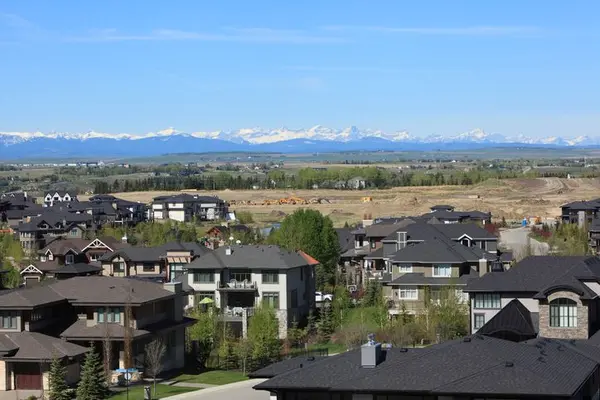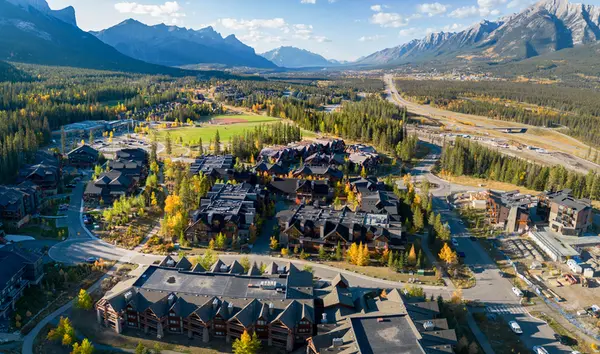

Alberta Home Buyer's Guide: A to Z
Buying a home in Alberta is a major financial decision, and a successful plan is always local. This Alberta Home Buyer's Guide gives you a practical route from budgeting to possession, with guidance relevant to Cochrane, Canmore, Airdrie, Water Valley, Mountain View County, and the communities of Cremona, Crossfield, Didsbury, Olds, and Sundre. Start by confirming the payment you can comfortably carry, then align your search and offer strategy with the property type, location, and conditions affecting your preferred Alberta market.
Alberta Real Estate Market Overview
Alberta market conditions should be assessed at the community and property-type level, because provincial averages can hide meaningful differences between detached homes, condominiums, acreages, and newer construction. Monthly resale-market reporting at the community level can help buyers compare local conditions before setting expectations.
Metric Alberta buyer takeaway Median home sale price A province-wide median is not a reliable budget ceiling. Compare recent sales in the specific Alberta community, property type, and price range you are considering. Median days on market Marketing time can differ sharply between a well-priced detached home, condominium, acreage, or newly built property. List-to-sale price ratio This ratio is most useful when reviewed against comparable homes in the same local segment, rather than as a province-wide target. Active inventory or months of supply Supply should be measured in your chosen community and price band, since available selection is not consistent across Alberta.
What the Alberta Home Buyer's Guide Says About Today's Market
Alberta is not one single buyer's or seller's market, because conditions vary by community, property range, and housing type. Detached homes, condominiums, townhomes, acreages, and new construction can move at different speeds, even within the same Alberta area.
The most useful signal for a buyer is the balance between suitable supply and active demand. When there are few comparable properties available, homes with practical layouts, strong maintenance records, or hard-to-replace locations can receive quick attention. Where selection is broader, buyers may have more time to compare ongoing costs, condition, lot characteristics, and seller flexibility.
Price trends are also shaped by local demand. Alberta buyers may value different features depending on their plans, including commute patterns, recreation access, proximity to services, usable outdoor space, storage, or room for a home office. A property with a higher asking price may still offer better long-term fit when it has characteristics that are difficult to find again in the same community.
The Alberta Home Buyer's Guide takeaway is straightforward: do not rely on a provincial headline alone. Review current comparable properties, active alternatives, recent price changes, and accepted-sale activity before setting an offer strategy. Broader regional reporting can provide context, while a property-specific review shows how market conditions apply to your search.
Is Alberta a Buyer's or Seller's Market Right Now?
- Inventory conditions are local, so compare active listings with recently sold homes in your preferred Alberta community and price range.
- Well-priced homes with practical layouts, good presentation, and limited competition may move more quickly than the overall market.
- Offer competition is most likely when a property has features that are difficult to duplicate, such as a usable acreage, a strong location, or a well-maintained layout.
- For a buyer entering today, preparation creates leverage: know your limit, understand recent comparable sales, and be ready to act when the right home appears.
Step 1: Set a Realistic Budget Before You Search
A realistic Alberta purchase budget starts with the payment you can sustain comfortably, not only the maximum amount a lender may approve. A useful qualification benchmark is to keep total monthly housing costs within roughly 39% of gross household income and total monthly debt obligations within roughly 44%. This aligns with Financial Consumer Agency of Canada mortgage-affordability guidance.
Your monthly housing cost includes mortgage payments, property taxes, heating, home insurance, maintenance, and, where applicable, condominium fees. The Financial Consumer Agency of Canada includes 50% of condominium fees in its housing-cost calculation, but your personal budget should account for the full fee because it remains part of monthly cash flow.
Property taxes vary by municipality, assessment value, and property type. Alberta's 2026–27 education property tax rate for residential and farmland property is $2.84 per $1,000 of equalized assessment, but that provincial component is only one part of a final local tax bill. Alberta's education property tax information explains how the provincial requisition works.
Condominium fees can cover common-property insurance, reserve funding, landscaping, snow removal, exterior maintenance, or some utilities. Review the documents early, then budget for costs not included in the fee. Pre-qualification is an initial estimate based on information you provide. Genuine affordability leaves room for savings, repairs, travel, family commitments, and changing borrowing costs.
Monthly Cost Breakdown by Price Point in Alberta
The examples below use a 20% down payment, a 25-year amortization, and the Bank of Canada's 6.09% typical five-year conventional posted mortgage rate as of the final Wednesday of September 2026. Payments use Canadian semi-annual compounding converted to monthly payments for illustration. Property tax and insurance vary by property, municipality, and insurer, so confirm them before making an offer.
Price point Purchase price Estimated mortgage payment Property tax Insurance Total estimated monthly cost Entry-level $400,000 About $2,065 Confirm with the municipality Confirm with insurer Mortgage payment plus confirmed tax and insurance Mid-range example $600,000 About $3,097 Confirm with the municipality Confirm with insurer Mortgage payment plus confirmed tax and insurance Move-up $900,000 About $4,646 Confirm with the municipality Confirm with insurer Mortgage payment plus confirmed tax and insurance
The mortgage figures are planning examples, not lender quotes. Alberta buyers should also account for heating, maintenance, condominium fees where applicable, and the down payment required for their purchase price.
Step 2: Get Pre-Approved Before You Search in Alberta
Pre-approval gives Alberta buyers a clearer purchase range and helps them respond confidently when a suitable home becomes available. It shows that financing has received a more detailed review, although final lender approval still depends on the property and complete verification.
Gather recent income documents, employment confirmation, identification, details of existing debts, proof of down payment, and account records showing the source of funds. Self-employed buyers may need additional tax and business documentation. Keeping these records organized can reduce delays after you identify a property.
Pre-qualification is generally an early estimate based on unverified information. Pre-approval involves a more detailed lender review that may clarify a borrowing amount, rate-hold terms, and outstanding conditions. Neither figure should replace your own complete ownership budget.
In a market where well-matched homes can attract attention quickly, prepared financing helps you decide whether to proceed without rushing past your financial comfort level. Before booking viewings, compare the lender's qualification figure with your household budget and confirm that the payment remains comfortable after taxes, insurance, utilities, and maintenance.
Step 3: Choose the Right Area of Alberta for Your Lifestyle and Budget
The right Alberta area is the one that supports your daily routine, budget, and future plans, not simply the one with the lowest asking prices. Start by deciding whether your priorities are commute flexibility, walkability, recreation access, lot size, newer construction, or proximity to local services.
Airdrie is a city that can suit first-time buyers, families, and move-up buyers who want a range of home styles and everyday services. Buyers can compare condominiums, townhomes, and detached homes while weighing layout, location, and monthly ownership costs. Its varied housing stock can make it practical for buyers who want to compare several property types before committing to a long-term fit.
Cochrane is a town where buyers may prioritize a community setting, local amenities, recreation opportunities, and a mix of established and newer homes. Families and remote workers may place extra value on flexible floor plans, storage, outdoor areas, and access to the services they use most often.
Canmore is a town with a distinct housing profile shaped by its mountain setting, recreation access, and limited developable land. Buyers should compare property types while considering condominium documents, property-use rules, and ongoing carrying costs. It can suit buyers whose lifestyle plans place a high value on outdoor access and a specialized local market.
Mountain View County, along with communities such as Cremona, Crossfield, Didsbury, Olds, and Sundre, can suit buyers seeking rural living, acreages, hobby-farm potential, larger parcels, or more separation from denser development. These properties require careful planning for water supply, septic systems, road access, fencing, outbuildings, easements, and seasonal maintenance. The best fit is a property whose responsibilities match your finances, available time, and long-term lifestyle.
Step 4: Search Strategically and Evaluate Properties
A strategic Alberta property search starts with clear criteria and a willingness to refine them after seeing real homes. Set alerts for your price range, property type, bedroom count, lot requirements, and non-negotiable location features. Review Alberta homes for sale regularly, but do not let alert volume replace careful comparison.
At each showing, use the same checklist:
- Compare layout, storage, natural light, and functional condition with your daily needs.
- Ask about the age and maintenance history of roofing, heating, plumbing, windows, drainage, and major appliances.
- For condominiums, review fees, reserve-fund information, bylaws, insurance details, and known upcoming work.
- For acreage or rural properties, clarify water, septic, access, fencing, outbuildings, and any equipment included with the sale.
- Compare the home with recent local sales instead of relying only on the list price.
Take notes and photographs where permitted. A consistent record makes it easier to compare homes later and helps practical details remain visible when a property makes a strong first impression.
Step 5: Make a Competitive Offer in Alberta
A competitive Alberta offer is one that fits the property's market position while protecting the buyer's financial and practical interests. The strongest offer is not automatically the highest price. It is an offer whose price, deposit, conditions, possession date, inclusions, and timelines work together credibly.
Deposit amounts are negotiated rather than set by a province-wide rule. A meaningful deposit can show commitment, but buyers should only offer funds they can provide within the deadline written into the purchase contract. Possession timing can also be an effective negotiating point when the seller has a particular move date or transition need.
Conditions should reflect both the property and your circumstances. Financing confirmation, condominium-document review, title review, and other due-diligence terms need clear wording and realistic deadlines. Rather than removing protections automatically, consider how to make the offer clean and responsive to the seller's priorities without accepting risks that do not fit your situation.
Escalation clauses are not appropriate for every Alberta purchase. They require careful drafting and a firm maximum price. Before signing, revisit comparable sales, projected monthly costs, and the home's long-term fit. A competitive offer begins with a number you can still support after the excitement of acceptance has passed.
Pro-Tip: The most common offer mistake is responding to urgency before confirming the complete ownership budget and property details. Set a walk-away number before negotiations begin, then follow it.
Step 6: Due Diligence and Closing in Alberta
After an offer is accepted, the buyer's focus shifts to meeting contract conditions, finalizing financing, reviewing documents, and preparing for possession. The timeline depends on the agreement, lender requirements, property type, and the possession date negotiated by the parties.
Due diligence can include a general property inspection, review of condominium documents, financing confirmation, title review, property disclosures, and specialized assessments where the home warrants them. Rural and acreage buyers may also need to confirm water systems, septic information, access arrangements, utility details, outbuildings, and registered interests affecting the land.
Your lawyer manages the legal transfer, reviews title matters, receives mortgage instructions, and coordinates closing funds. Alberta does not charge a traditional land transfer tax, but buyers do pay legal costs and Land Titles registration fees. The provincial fee schedule lists a $50 base fee plus $5 per $5,000 of land value for a transfer, with the same structure applied to mortgage registration. Alberta Land Titles fee information should be confirmed with your lawyer because fees can change.
Keep funds accessible for the down payment, legal costs, registration charges, adjustments, moving expenses, and immediate home needs. A final walkthrough shortly before possession helps confirm that the property is in the expected condition and included items remain in place.
New Construction vs. Resale Homes in Alberta
Consideration New construction Resale home Typical price premium May reflect newer materials, design, and builder specifications Varies with age, condition, location, and updates Negotiability May focus on upgrades, completion timing, or inclusions May include price, possession, inclusions, and repairs Inspection considerations Review plans, specifications, warranty, and completion details Review maintenance history, visible condition, and available records Customization May offer finish selections before construction reaches certain stages Changes are generally made after possession at the buyer's expense Move-in timeline Can involve construction schedules and possible timing changes Usually has a defined possession date in the contract Warranty coverage Eligible homes carry legislated minimum warranty coverage Any remaining warranty may transfer if still active Financing differences Lender review may include completion timing and contract terms Financing is tied to the existing property and contracted possession date
Alberta requires minimum new-home warranty coverage for eligible homes, including one year for labour and materials, two years for delivery and distribution systems, five years for the building envelope, and ten years for major structural components. Alberta's new-home warranty overview explains the coverage framework.
Ready to Buy in Alberta?
Adam McMillan works with buyers at every price point across Cochrane, Canmore, Airdrie, Water Valley, Mountain View County, Cremona, Crossfield, Didsbury, Olds, and Sundre. Call or text +1 (403) 969-6991 or email mcmillanrealestategroup@gmail.com for a no-pressure conversation about your budget, preferred property type, and the next step toward buying in Alberta.
Frequently Asked Questions: Buying a Home in Alberta
How much do I need for a down payment to buy in Alberta?
For a purchase price of $500,000 or less, the minimum down payment is 5%. On a $600,000 home, the minimum is $35,000, calculated as 5% of the first $500,000 and 10% of the remaining $100,000, under the Financial Consumer Agency of Canada down-payment framework.
How long does it take to buy a home in Alberta from search to close?
The search can take days or months because it depends on your budget, criteria, and available supply. After acceptance, possession timing is negotiated in the contract and can range from a short turnaround to several weeks or longer, depending on financing, conditions, and the parties' agreement.
Is Alberta a good place to buy a home right now?
Alberta can be a suitable place to buy when the property, payment, location, and expected ownership period fit your plan. Compare active supply, recent sales, and complete monthly costs in your target community instead of treating provincial conditions as identical everywhere.
What are closing costs for buyers in Alberta?
Buyers should budget for legal services, Land Titles registration, adjustments, moving costs, and lender-related charges where applicable. The Land Titles transfer registration fee includes a $50 base fee plus $5 per $5,000 of land value, while mortgage registration uses a $50 base fee plus $5 per $5,000 of the principal amount.
Do I need a buyer's agent in Alberta, and what does it cost?
A buyer's agent can help interpret market evidence, coordinate viewings, prepare an offer, and manage transaction steps. Compensation arrangements can vary, so discuss representation, services, and any possible costs before you begin working together.
Categories
Recent Posts