
How to Find the Right Hobby Farm Property in Alberta
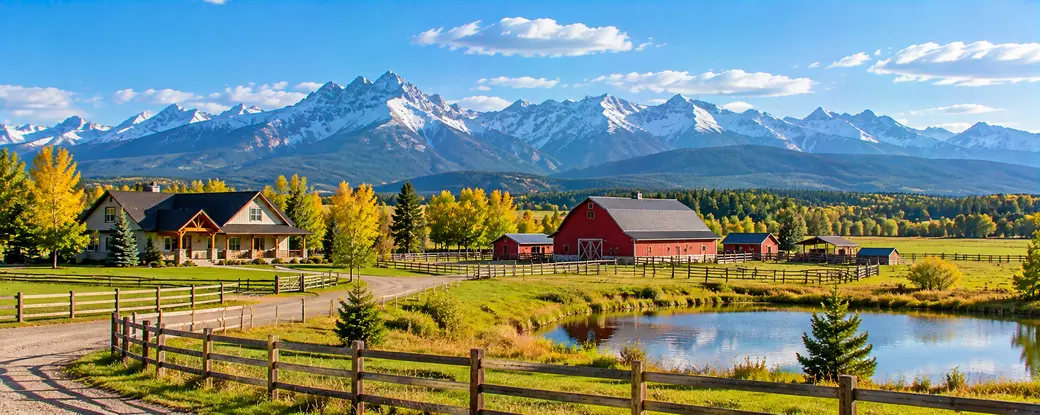
A hobby farm property is a rural home with land used for personal food production, animals, horses, gardens, orchards, recreation, or a more self-sufficient lifestyle. Unlike a conventional residential property, it must support both a household and day-to-day land stewardship. Unlike a commercial farm, it is generally not intended to provide the owner's primary income.
In Alberta, the right hobby farm property is defined by usable land, permitted activities, dependable services, workable buildings, and ownership costs that fit the life you want to lead.
Define What You Want From a Hobby Farm Property
Start by defining the daily activities the land must support, from gardens and poultry to horses, livestock, orchards, or recreational use. A hobby farm property should serve a clear purpose rather than simply offering an attractive acreage setting.
List your primary goals before you begin comparing properties. You may want space for livestock, a vegetable garden, a small crop area, an orchard, horses, outdoor recreation, or a combination of these uses. Each goal affects the features you should prioritize. Horses may require safe fencing, turnout space, shelter, water access, and room for trailer movement. Gardens need suitable sun exposure, workable soil, nearby water, and convenient access for tools and supplies.
Be realistic about the time you can devote to the property. Animal care, fencing, mowing, snow clearing, repairs, gardening, and building maintenance can become a regular commitment. Consider your weekday routine as carefully as your weekend plans.
Next, decide whether you want an established hobby farm or a property you can improve gradually. Existing barns, sheds, fencing, paddocks, greenhouses, and water systems can reduce early work, but only if they are functional and match your intended use.
Create a must-have list and a nice-to-have list. Must-have items may include usable pasture, a reliable water source, a certain building type, privacy, or year-round road access. Nice-to-have features could include mature trees, a greenhouse, upgraded storage, or additional recreational space. This distinction keeps your search focused when properties offer different combinations of land and improvements.
How Much Land Does a Hobby Farm Property Need?
A hobby farm property needs enough usable ground for your intended activities, not simply the largest acreage figure. A smaller parcel with level, accessible, well-drained land can be more practical than a larger property with steep terrain, wetlands, dense tree cover, or difficult access.
Begin by sketching how the property would function. Livestock can require pasture, shelter, feed storage, gates, water points, and separation from the residence. Horses may need paddocks, turnout areas, safe circulation routes, manure-management space, and room for trailers. Gardens and crops need sunlight, suitable soil, tools, storage, and dependable water.
Then identify the portions of the parcel that may not support those plans. Driveways, building sites, low areas, drainage corridors, treed sections, setbacks, and sloped ground can substantially reduce usable acreage. A property can appear spacious on paper while offering limited practical room for animals, growing areas, or future structures.
Future expansion also matters. Consider whether you may later add a larger garden, another paddock, storage space, a greenhouse, or more animals. The layout should allow growth without making daily chores inefficient.
Walk the land and picture a normal routine in every season. Note the travel distance between the home, animal areas, water source, feed storage, gardens, and outbuildings. A well-designed smaller property can reduce maintenance and make chores easier than a larger acreage with disconnected working areas.
Evaluate the Quality and Usability of the Land
Usable acreage matters more than total acreage because land must safely support the activities you plan to undertake. Look beyond the listing description and assess how terrain, drainage, vegetation, and sunlight affect the property's working layout.
| Land feature | What to evaluate | Why it matters |
|---|---|---|
| Topography | Slope, level areas, erosion, and movement across the parcel | Steep or uneven ground can limit gardening, pasture, building sites, and equipment access |
| Soil | Texture, compaction, drainage, and garden or crop potential | Soil conditions influence what can be grown and how much preparation may be needed |
| Drainage | Standing water, runoff paths, low spots, and seasonal changes | Poor drainage can affect roads, buildings, pasture, and plant health |
| Flood risk | Watercourses, low-lying ground, and available local records | Water exposure can restrict use and create ongoing maintenance concerns |
| Wetlands | Location, boundaries, and permitted activity | Wetland areas may not be appropriate for building or intensive land use |
| Pasture condition | Ground cover, weeds, fencing, and signs of overuse | Healthy pasture is easier to manage for suitable animal use |
| Tree coverage | Shelter, shade, wind exposure, and inaccessible areas | Trees can offer protection and privacy while reducing open usable land |
| Sun exposure | Direct light in garden, orchard, and greenhouse areas | Sunlight affects vegetable production, orchard health, and greenhouse placement |
Walk the property after considering recent weather conditions when possible. Record where water collects, how snow may drift, and whether equipment can reach essential areas. When soil, drainage, wetland, or environmental concerns arise, use qualified professional guidance rather than relying on appearance alone.
Check Zoning and Land-Use Rules Before You Commit
A hobby farm property must allow the activities you intend to carry out, so verify the applicable zoning and land-use rules before moving forward. In Alberta, local governments manage land use through bylaws and planning processes, and a rural setting does not automatically permit every animal type, structure, or agricultural activity.
Start with a written description of your intended use. Include the livestock, horses, poultry, gardens, crops, buildings, storage, and any future plans you are considering. Ask the applicable municipal or county authority whether those uses are permitted under the property's current designation.
Do not assume existing buildings or past uses establish future permission. A barn, stable, chicken coop, greenhouse, equipment building, shelter, or farm stand may be subject to rules related to placement, setbacks, height, servicing, access, or permits. Existing structures should be reviewed for their practical suitability as well as their status under current requirements.
If you may eventually sell produce, board animals, host visitors, operate a small farm stand, or use the property for another business purpose, ask whether additional approvals are needed. Those plans can involve different rules than personal hobby-farm use.
County land-use bylaws, property records, and written confirmation from the appropriate authority provide a stronger basis for planning than a listing description or informal assumption. Bring specific questions about animal types, building locations, access, and anticipated improvements.
Zoning also influences long-term flexibility. A property that meets your current needs but restricts a future garden expansion, additional storage, or livestock changes may not be the best fit. Compare each property using the same land-use questions so you can identify which options deserve closer review.
Inspect Existing Farm Buildings and Improvements
Existing improvements are useful when they are safe, functional, and suited to your plans. Record the condition, location, and likely repair priority for every building, paddock, and fence line before assuming it will reduce your setup work.
| Improvement | What to check | Practical consideration |
|---|---|---|
| Barns and stables | Roof, framing, flooring, ventilation, doors, and drainage | Confirm the structure can safely support the animals or storage you need |
| Chicken coops | Security, airflow, cleaning access, and weather protection | A practical coop should be manageable through Alberta weather conditions |
| Fencing | Posts, wire or boards, gates, tension, and animal suitability | Fence design must match the animals you plan to keep |
| Sheds | Foundation, roof, access, and storage capacity | Storage should be dry, secure, and located near where supplies are used |
| Greenhouses | Frame condition, glazing, ventilation, and water access | Aging components may require repairs before growing can begin |
| Equipment buildings | Door clearance, floor condition, power, and circulation space | Equipment must be able to enter, turn, and be stored safely |
| Paddocks and pastures | Surface conditions, drainage, gates, and traffic patterns | High-use areas need workable footing and water management |
Look for water staining, rot, roof damage, foundation movement, blocked drainage, and signs of deferred maintenance. Compare the repair effort for each improvement with the cost and practicality of building a replacement that better fits your goals.
Evaluate Water, Septic, and Utility Systems
A hobby farm property needs water, waste-management systems, and utilities that can support both household life and planned land activities. Identify whether the property uses municipal water, a well, a cistern, or another private system before deciding whether it can meet your needs.
For a well, review available drilling information, maintenance history, capacity information, and water-quality records. Alberta's Water Well Information Database can help buyers locate available well records. Ask the seller for pump records, service documents, and information about seasonal performance. A source that supports household use may not automatically meet additional demand from gardens, livestock, irrigation, washing areas, or a greenhouse.
Review the private sewage system with equal care. Alberta's private sewage codes and standards outline requirements for on-site systems. Confirm the system's location, maintenance history, capacity, visible condition, and relationship to the home, well, buildings, and future development areas.
Utility availability also affects comfort and operating costs. Verify electrical service, heating equipment, internet options, mobile coverage, fuel arrangements, and the accessibility of utility equipment in winter. Rural service levels can differ from one property to another.
Think through regular chores. Consider whether water points are close to animal areas, whether power reaches the places where lighting or tools are needed, and whether winter conditions could affect water lines or access. Reliable systems are most useful when their placement supports your actual routine.
Plan for Fencing, Access, and Farm Logistics
A practical hobby farm property makes it easier to move animals, feed, equipment, and supplies around the land safely. Review fencing, gates, driveways, internal routes, and storage areas as one connected operating system.
Inspect fencing for condition, placement, strength, visibility, and suitability for the animals you plan to keep. A fence that works for one type of animal may not be appropriate for another. Note damaged posts, loose wire, unsafe gates, weak corners, and areas where animals could become caught or escape.
Assess driveway access, grade, drainage, and year-round usability. Consider whether trailers, delivery vehicles, equipment, and emergency services can enter and turn around safely. Alberta winter conditions can make driveway maintenance, snow storage, and access to key buildings especially important.
Internal roads and lanes should connect the home, barn, paddocks, feed storage, garden, and equipment areas without forcing frequent travel across muddy ground or tight corners. Check whether gates are positioned for efficient movement and whether feed, bedding, tools, and seasonal supplies have dry, secure storage nearby.
Imagine a delivery day, a winter morning, and a busy maintenance weekend. Those practical scenarios can reveal logistical problems that are easy to miss during a short viewing.
Look at the Home, Not Just the Farm
The home must meet your household's needs because a hobby farm property is also where you will live every day. Land, barns, fencing, and views may be the main attraction, but residential maintenance and comfort remain essential.
Evaluate the house's age, condition, layout, bedrooms, bathrooms, heating and cooling, roof, foundation, electrical service, and plumbing. Consider whether the home will continue to work if your household changes or your hobby-farm activities expand.
Pay attention to features that support rural living. Mudrooms, laundry areas, storage, durable entrances, and practical access to outdoor spaces can make daily routines easier when boots, tools, pets, and work clothing are part of the household routine.
Also consider how the home relates to the working areas of the property. A residence located far from animal shelters, gardens, or storage can make chores less convenient. Appropriate separation can still be valuable for privacy, safety, and noise control.
Do not let attractive acreage overshadow needed repairs to the house. A balanced decision considers the condition, livability, and ongoing maintenance requirements of both the residence and the land.
Calculate the Full Cost of Owning a Hobby Farm Property
The full cost of a hobby farm property includes the purchase price, financing, and the ongoing expense of maintaining land, buildings, systems, and animals. Build a complete ownership budget before deciding what property you can comfortably manage.
Begin with mortgage payments, property taxes, insurance, utilities, heating, and normal home maintenance. Then account for rural-property costs such as private water and sewage upkeep, driveway care, snow clearing, fencing repairs, outbuilding maintenance, landscaping, and waste management.
Animal and growing activities add another layer of expenses. Feed, bedding, veterinary care, seed, soil amendments, tools, irrigation supplies, protective shelters, and equipment servicing can affect your annual budget. Even a modest hobby farm can require specialized supplies and replacement parts.
Assess the condition of the property before making an offer. Create a repair list that ranks immediate needs, near-term improvements, and optional projects. Include fence replacement, roof work, drainage improvements, building repairs, water-system work, and equipment needs where applicable.
A lower asking price does not always mean a lower total cost. A property with neglected infrastructure may require more early spending than one with sound systems and fewer immediate projects. Keep a reserve for unexpected repairs because weather, access roads, wells, septic systems, trees, barns, and equipment can create costs that differ from a typical residential property.
Compare financing costs with your expected maintenance reserve and planned improvements. A realistic budget helps you choose a hobby farm property that supports your goals without turning routine ownership into financial pressure.
Consider Location and Everyday Convenience
The best hobby farm location supports your daily routine as well as your land-use plans. Consider travel time to groceries, schools, medical services, feed suppliers, farm-supply stores, veterinary services, employment centres, and major roads.
Review the route in practical terms, not just map distance. Ask how access roads perform during winter weather, spring thaw, heavy rain, and periods when snow clearing is needed. Confirm who is responsible for maintaining the driveway and any shared access route, then consider where snow can be stored without blocking gates or turning areas.
Think about how often you will make each trip. Regular feed pickups, veterinary appointments, school runs, work travel, deliveries, and service calls can make distance more important than it first appears. Reliable access for delivery vehicles and emergency services is equally important.
Rural convenience also includes service availability. Check internet options, mobile coverage, fuel delivery arrangements, and access to qualified tradespeople who can service private water, sewage, heating, and farm-related infrastructure.
A hobby farm property should fit your household throughout the year, not only during a pleasant showing. Privacy and land may justify longer drives for some buyers, while others may prefer a location that balances rural space with easier access to regular services.
Research the Property's History
A property's history can reveal constraints and maintenance needs that are not obvious during a viewing. Ask about prior agricultural use, livestock activity, major improvements, permits, easements, drainage concerns, environmental conditions, and past flooding.
Review available records and seller disclosures carefully. Previous animal or crop use may affect pasture condition, fencing, outbuildings, soil, and water systems. Earlier building work can also matter if future plans depend on verified permits, servicing, or site placement.
Easements and access agreements deserve particular attention on rural land. Confirm who has rights to use access routes, where utility lines may be located, and whether third-party access could affect privacy or future improvements.
Ask how water moves across the parcel during wet periods and spring runoff. Record the location of culverts, ditches, drainage improvements, well equipment, and private sewage components. Alberta property records and available well documentation can help establish questions for further verification.
Understanding the property's past makes it easier to identify issues that could affect how you use the hobby farm property in the future.
Have the Property Properly Inspected
A standard home inspection is a valuable starting point, but a hobby farm property may require additional evaluations because its land systems, buildings, and services can be more complex than those of a typical home. Confirm what each review includes before relying on its conclusions.
A residential inspection can assess visible home systems and overall condition. However, barns, stables, sheds, fencing, drainage features, wells, private sewage systems, and land conditions may fall outside the scope of a home-focused assessment.
Consider property-specific evaluations when questions arise. A qualified well professional can review water quality and system condition. A sewage specialist can assess the private system's function and maintenance needs. Building professionals may be appropriate for older barns, equipment buildings, or structures showing movement, roof damage, rot, or water intrusion.
Soil, drainage, and environmental questions may also need specialist input, particularly when gardens, crops, pasture use, or future building plans are central to your decision. Ask for maintenance records, permits, repair invoices, and service documentation where available.
The objective is to understand the condition of every major property component, identify likely costs, and make a decision based on a complete picture of ownership.
Compare Hobby Farm Properties Using Your Priorities
The strongest way to compare hobby farm properties is to use the same checklist for every viewing. A consistent process prevents a large acreage number, scenic view, or lower asking price from distracting you from practical requirements.
Include these comparison categories:
- Total acreage and usable acreage
- Home condition and layout
- Water source and service reliability
- Outbuildings and storage
- Pasture, garden, and growing potential
- Fencing and gate condition
- Zoning and permitted uses
- Driveway and equipment access
- Location and travel time
- Property taxes and expected operating costs
- Immediate repairs and estimated improvements
Take notes during each viewing and rank the categories according to your priorities. A horse-focused buyer may rank fencing, water, paddock layout, and trailer access highest. A buyer focused on gardens or orchards may give greater weight to soil, drainage, sunlight, and water availability.
The property with the most acreage is not automatically the best choice. Likewise, the lowest asking price may leave less room in your budget for essential upgrades. A smaller, organized property with suitable land, sound infrastructure, and manageable maintenance can provide a better long-term fit.
Work With Someone Who Understands Hobby Farms
Hobby farm properties involve acreage, rural land-use rules, outbuildings, private systems, access, and ongoing maintenance considerations that can differ from a standard residential purchase. Keep organized records for each property, including usable land, permitted activities, building condition, water systems, access routes, and expected improvements.
A buyer who compares these details consistently is better positioned to choose a property that works in everyday use. The best hobby farm property is usually the one that matches your priorities, practical skills, available time, and planned budget.
Talk With a Real Estate Professional Before You Buy
Adam McMillan, Broker Associate with McMillan Real Estate Group, works with rural and acreage buyers and sellers across Alberta, including Cochrane, Canmore, Airdrie, Water Valley, Mountain View County, Cremona, Crossfield, Didsbury, Olds, and Sundre. If you want local answers about acreage, rural property features, and your next steps, call or text +1 (403) 969-6991, email mcmillanrealestategroup@gmail.com, or send a message through the contact page. There is no pressure, just a conversation about what you are looking for.
FAQ
How much land do you need for a hobby farm?
The appropriate amount of land depends on your intended use, livestock or crops, zoning, and the amount of ground that can realistically be used. A smaller property with level, well-drained areas, water access, and a practical layout may be more useful than a larger parcel with difficult terrain.
What should I look for when buying a hobby farm?
Focus on usable acreage, zoning, water, soil, structures, fencing, utilities, access, taxes, and the condition of the home. Compare those features against your intended activities and the budget you have available for maintenance and improvements.
Do hobby farms require special zoning?
Requirements vary based on the property's designation and the applicable local land-use rules. Confirm permitted activities for livestock, poultry, gardens, buildings, agricultural uses, and possible business activities before you purchase.
Is buying a hobby farm more expensive than buying a regular home?
It can involve additional costs because acreage, outbuildings, fencing, private systems, utilities, equipment, animals, and land maintenance may require ongoing spending. The total depends on the property's condition, infrastructure, and the activities you plan to undertake.
Should I get a home inspection for a hobby farm?
A home inspection is important for understanding the residence, but it may not address every rural-property feature. Depending on the property, further qualified evaluations may be useful for wells, private sewage systems, barns, outbuildings, fencing, soil, drainage, and environmental conditions.
Is a hobby farm a good investment?
A hobby farm can be a rewarding lifestyle purchase, but its financial outcome depends on location, condition, purchase price, carrying costs, improvements, and intended use. Acreage alone does not determine whether the property will be a suitable fit or retain value over time.
Categories
Recent Posts