
Canmore Investment Property Guide
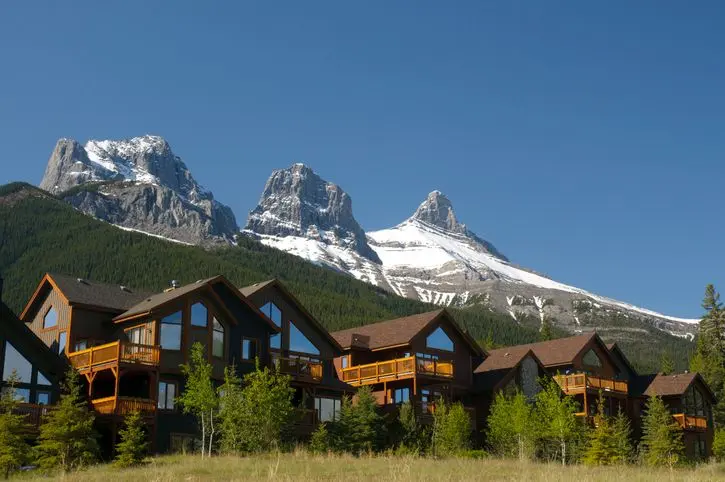
Canmore isn't a typical investment property market, and that's exactly why it draws so much interest. Set against the mountains with genuinely limited developable land, Canmore's inventory simply can't expand the way a flatter, less constrained town's can. That scarcity, combined with a steady flow of visitors drawn to the surrounding scenery, shapes almost everything about buying an investment property here.
Canmore's rules around ownership and rental use are also more specific than most markets, and understanding them before you buy matters more here than almost anywhere else. This guide walks through what makes Canmore different, what its zoning means for you, and what both buyers and sellers should know going in.
What Makes Canmore's Investment Market Different
Because developable land is limited, Canmore's property inventory doesn't grow the way a typical growing town's would. That scarcity tends to support long-term value, but it also means less selection and more competition for the properties that do come up, particularly in the zoning categories that allow short-term rental use.
Understand Canmore's Zoning Before You Buy
This is the single most important section in this guide, because in Canmore, zoning determines almost everything about what you can legally do with a property.
Broadly, properties fall into a few categories:
Residential zoning is intended for long-term living. Properties here can be lived in full-time or rented out on a long-term, monthly basis, but nightly or weekly short-term rentals are not permitted. If your investment plan depends on short-term rental income, a residentially zoned property is not the right fit.
Tourist Home zoning tends to be the most flexible category for investors. Properties here can generally be lived in full-time, rented long-term, or rented short-term (nightly or weekly), whether managed independently or through a property management company. That flexibility comes with tradeoffs: these properties typically carry a business licensing requirement for short-term rental use, and are often taxed at a different rate than straightforward residential properties, unless the owner qualifies for and applies for a residential rate based on primary residence use.
Visitor Accommodation zoning, sometimes referred to as hotel condo zoning, is built specifically for short-term rental use and generally cannot be used as a full-time residence. These properties often come with an attractive price point relative to Tourist Home properties, but financing is a real consideration. Traditional residential mortgages can be difficult to secure for this category, and many purchases end up being cash or commercial-financing deals.
Because zoning bylaws and licensing requirements do get updated over time, always confirm the current zoning designation and any recent bylaw changes directly with the Town of Canmore, and loop in your real estate professional, before finalizing a purchase.
Neighborhoods Worth Knowing
Canmore's neighborhoods each carry a slightly different character, which matters both for lifestyle fit and investment strategy:
- Three Sisters and Silvertip tend to feature larger homes and golf-course adjacent properties, often appealing to luxury buyers.
- Spring Creek and the Town Centre offer a more walkable, newer-development feel close to shops and restaurants.
- South Canmore and Larch carry more established, character-driven housing stock.
- Eagle Terrace, Cougar Creek, Peaks of Grassi, and Benchlands each offer their own mix of family homes and mountain views, generally at a different price point than the resort-style developments.
Which neighborhood fits best really depends on your goals, whether that's a personal mountain getaway that occasionally earns income, a dedicated short-term rental, or a straightforward long-term residential hold.
What First-Time Investment Buyers Should Know
If this is your first investment property purchase, and especially if it's your first time buying in a market with zoning this specific, a few things are worth sitting with before you make an offer:
- Confirm the zoning matches your plan, not the other way around. It's easy to fall for a property and try to rationalize how you'll "make the zoning work." Start with your goal, short-term income, long-term rental, or personal use, and use that to filter which properties even qualify.
- Financing depends heavily on zoning. Tourist Home and Visitor Accommodation properties often require different financing approaches than a standard residential mortgage. Talk to a lender early, before you fall in love with a specific listing.
- Income is genuinely seasonal. Peak season demand can be strong, but shoulder seasons are quieter. Build a realistic, full-year income picture rather than projecting peak-season numbers across twelve months.
- Factor in professional management if you won't be local. Rental pools and property management companies typically take a percentage of gross rental income in exchange for handling bookings, cleaning, and guest logistics. Weigh that cost against the time and effort of self-managing.
What Sellers of Canmore Investment Property Should Know
If you're selling a Canmore property that's currently used as a rental, whether long-term or short-term, buyers will generally want clarity on:
- The exact zoning designation, and confirmation it's current and in good standing
- Business licensing status, if the property has been operating as a short-term rental
- A clear rental income history, including seasonal variation
- Any condo or homeowner association fees, and what they cover
- Recent maintenance or upgrades, particularly anything guest-facing
Buyers in this market tend to do their homework carefully, given how much zoning affects value, so having this documentation ready ahead of time tends to make for a smoother, faster sale.
Lifestyle Factors That Drive Long-Term Demand
Part of what makes Canmore such a resilient investment market is that its appeal isn't purely transactional. People don't just visit Canmore, many of them fall for it and start looking for a way to spend more time there, whether that's a seasonal home, a future retirement plan, or a full relocation. That pull, genuine mountain access, an outdoor lifestyle, and a small-town community feel that's hard to replicate, is part of why demand has stayed durable even as inventory stays tight.
For anyone considering relocating to Canmore permanently rather than buying purely as an investment, that same scarcity means it pays to start the search early and understand your financing and zoning options well before you're ready to make an offer.
If you're considering an investment property purchase in Canmore, or you're thinking about selling one, a good first step is getting a clear picture of what's currently available, or requesting a property valuation if you're on the selling side. You can also browse current Canmore listings directly. From there, a conversation with our team about your specific goals, income, personal use, or some blend of both, can help you figure out which zoning category and neighborhood actually fit.
Categories
Recent Posts