
How to Find the Right Hobby Farm Property in Water Valley
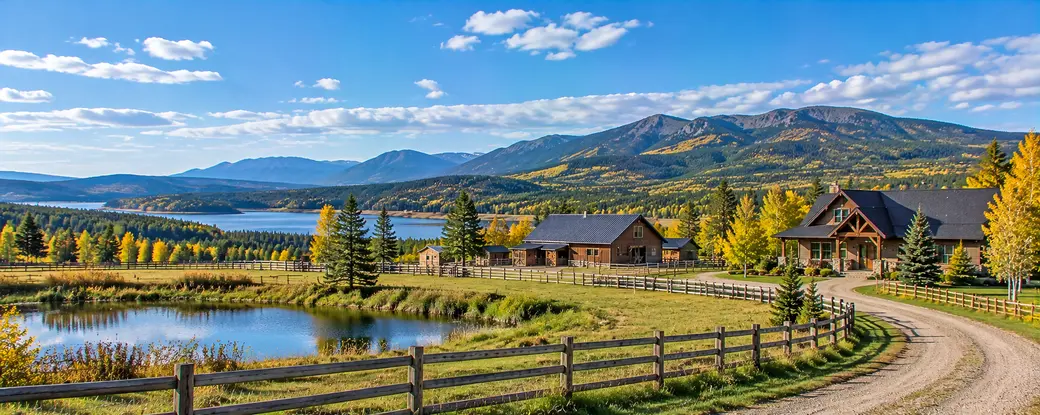
A hobby farm property is a residential acreage designed for a hands-on rural lifestyle, such as keeping animals, growing food, maintaining gardens, or enjoying more outdoor space. The right hobby farm property in Water Valley balances usable land, a comfortable home, reliable services, permitted uses, and maintenance demands that fit your plans.
Unlike a conventional residential property, a hobby farm must work beyond the house. It may include pasture, gardens, fencing, outbuildings, water systems, equipment storage, and access routes that all need to support daily life. It also differs from a commercial farm because its purpose is typically personal enjoyment, household production, recreation, or a smaller-scale agricultural lifestyle rather than full-time agricultural income.
Define What You Want From a Hobby Farm Property
The right hobby farm property begins with a clear purpose for the land and the lifestyle you want to create. Before comparing homes, acreage, or barns, identify the activities that will shape your daily routine, budget, and long-term priorities.
Your primary goal may be raising livestock, keeping horses, growing vegetables or small crops, maintaining an orchard, creating recreational space, improving self-sufficiency, or combining several uses. Each goal creates different property requirements. A garden-focused property needs workable soil, dependable water, useful sun exposure, storage, and room to move supplies. A horse-focused property may need safe fencing, suitable paddocks, shelter, feed storage, trailer access, and practical routes between key areas.
Consider how much time you realistically want to spend maintaining the property. Animals need consistent care, while gardens, fencing, driveways, equipment, and outbuildings create regular seasonal work. A smaller acreage with a useful layout may be easier to manage than a much larger parcel with steep ground or scattered improvements.
Decide whether you want an established hobby farm or a property you are willing to develop over time. Existing fencing, shelters, gardens, and storage can reduce early projects, while a less-developed property may offer more flexibility for your own plan.
Separate must-have features from features that would simply be nice to have. This list will help you assess each hobby farm property in Water Valley based on practical priorities rather than first impressions.
How Much Land Does a Hobby Farm Really Need?
The amount of land you need depends on intended use and usable space, not total acreage alone. A compact property can support gardens, limited animal keeping, and outdoor living when its layout is efficient, while a larger parcel may be less practical if much of it is steep, wooded, wet, inaccessible, or difficult to maintain.
Start by picturing how the land would function day to day. Identify likely areas for animals, gardens, crops, buildings, equipment storage, driveways, and possible future improvements. Treed areas, slopes, drainage paths, wetlands, building locations, and access routes can reduce the portion of land available for your intended use.
Livestock needs are especially property-specific. Pasture condition, water access, shelter placement, rotation opportunities, and safe movement around the property can matter more than the parcel size. Horses, poultry, fruit trees, and vegetable gardens all need different balances of space and infrastructure.
Think about future expansion, too. You may begin with a garden and a small animal area, then later add a greenhouse, storage building, fencing, or another paddock. Look for flexibility without assuming every improvement must happen immediately.
The strongest hobby farm property is usually one you can use, maintain, and afford comfortably. Well-designed land can make a modest acreage more practical than a larger property with challenging terrain.
Evaluate the Quality and Usability of the Land
Usable acreage matters more than the total acreage listed because the land must support your intended activities safely and practically. Walk the property carefully and consider how its physical characteristics would affect gardens, animals, buildings, access, and future improvements.
| Land feature | What to evaluate | Why it matters |
|---|---|---|
| Topography | Slopes, level areas, erosion-prone sections | Gentler terrain is generally easier to access, maintain, and use for gardens or structures. |
| Soil | Texture, compaction, drainage, and growing potential | Soil conditions can affect gardening, pasture quality, and future improvements. |
| Drainage | Standing water, runoff paths, low areas, and seasonal moisture | Persistent wet areas can affect access, animal spaces, building sites, and growing areas. |
| Pasture condition | Ground cover, worn areas, fencing layout, and water access | Healthy, accessible pasture is more useful than open land needing substantial rehabilitation. |
| Tree coverage | Mature trees, shelterbelts, shade, and clearing needs | Trees can provide privacy and wind protection but may limit sunlight or usable space. |
| Sun exposure | Morning, afternoon, and seasonal light patterns | Gardens, orchards, and pasture areas need suitable light conditions. |
| Wetlands and natural features | Sensitive ground, drainage channels, and protected areas | These features can affect where you may build, fence, cultivate, or alter land. |
Visit at different times of day when possible, and consider returning after wet weather to observe drainage and access. When soil, drainage, or environmental conditions raise concerns, appropriate professionals can help clarify the issue before you make plans around the land.
Confirm Zoning and Land-Use Rules First
Zoning and land-use rules determine whether a hobby farm property can legally support your intended activities. A rural setting does not automatically permit every animal type, structure, crop, or small-scale agricultural use.
Before making an offer, confirm the property's land-use designation and ask how it applies to livestock, horses, poultry, gardens, crop production, agricultural structures, shelters, fencing, and any potential farm-stand or business activity. Requirements can vary by parcel, intended use, building placement, and the scale of the activity.
Local rules may also affect setbacks, driveway access, manure management, building locations, drainage, and permits. Do not assume that an existing barn, greenhouse, shed, or fenced area can automatically be expanded, altered, or used for a new purpose. Confirm what approvals may be needed before committing to a plan.
Existing improvements deserve the same attention as proposed ones. Ask whether barns, sheds, greenhouses, and other structures have the appropriate approvals where required and whether their placement still suits your goals. A structure may appear useful but still need repairs, records, or further review before it supports animals, storage, or growing activities.
If you expect to add animals or expand over time, ask about future flexibility as well as immediate needs. Use a written checklist to organize land-use, access, building, and property questions before making an offer.
Assess Existing Farm Buildings and Improvements
Existing farm buildings are valuable only when they are safe, functional, maintained, and suited to your intended use. Evaluate every structure for its present condition and long-term practicality.
| Improvement | What to check | Decision point |
|---|---|---|
| Barns and stables | Roof, ventilation, floors, doors, drainage, and structural condition | Determine whether the building safely supports animal or storage use. |
| Chicken coops | Weather protection, ventilation, security, and cleaning access | Consider whether daily care will be practical in every season. |
| Fencing | Posts, wire, gates, corners, and animal suitability | Match fencing type and condition to the animals you plan to keep. |
| Greenhouses | Frame, covering, ventilation, water access, and sunlight | Decide whether repairs would create a useful growing space. |
| Equipment buildings | Clearance, access, flooring, electrical service, and storage layout | Confirm that equipment can be stored and moved efficiently. |
| Paddocks and pastures | Footing, gates, drainage, water access, and worn areas | Identify maintenance needs that could affect animal safety and usability. |
Look for water intrusion, roof deterioration, uneven ground, soft flooring, drainage concerns, and deferred maintenance. Compare the anticipated cost of repairs with the cost of building an improvement that better suits your needs.
Evaluate Water, Septic, and Utility Systems
Reliable water, septic, and utility systems are essential because a hobby farm property must support household use as well as land-based activities. Start by identifying the property's water source, whether it is a private well, a municipal connection, or another private system.
For a well, review its condition, equipment, capacity, and water quality. Consider combined demand from the household, gardens, livestock, irrigation, and cleaning. A supply that works for ordinary household use may require careful planning when animals or significant growing areas are added.
Ask for available records and understand the system layout before relying on it for your intended activities. Useful questions include where the source is located, how water is distributed, whether outdoor taps or stock-watering systems are in place, and how seasonal conditions affect access and maintenance.
Review the septic system with equal care. Confirm its location, maintenance history, condition, and suitability for the home. Its placement can influence where gardens, animal areas, outbuildings, and future improvements can be located.
Utilities affect both comfort and farm operations. Check electrical service, heating, internet availability, cellular coverage, and whether power can practically reach outbuildings. A barn, workshop, or greenhouse may need more than basic residential service.
Think through winter reliability as well. Water management, access, and power interruptions can have a greater effect on rural living than on a typical residential property.
Plan for Fencing, Access, and Daily Farm Logistics
Farm logistics determine whether a hobby farm property feels manageable every day. Evaluate how people, animals, equipment, feed, supplies, and service vehicles would move through the land.
Start with the driveway and entrance. Access should work for household vehicles, trailers, deliveries, equipment, and emergency services. Consider turning space, gate locations, visibility, winter conditions, and the distance between the road, home, and outbuildings.
Existing fencing should suit the animals you plan to keep. Assess its height, strength, condition, gate placement, and ability to safely contain animals. Internal divisions can be useful because separate paddocks, gardens, and work areas can simplify rotation and routine maintenance.
Storage deserves early attention. Feed, bedding, tools, garden supplies, and seasonal equipment need dry, accessible locations. Carrying supplies across long distances or through muddy ground can make ordinary chores unnecessarily difficult.
The most practical properties place gates, water access, storage, work areas, and animal spaces where they support safe and efficient movement.
Evaluate the Home Along With the Land
The home must meet your household needs even when the land is the primary attraction. A hobby farm property remains a residence, and the house will shape your comfort, maintenance budget, and long-term plans.
Review the age and condition of the home, including the roof, foundation, heating, plumbing, electrical systems, windows, and drainage around the building. Consider whether the layout works for your household now and whether it can adapt as needs change. Bedrooms, bathrooms, storage, workspace, and mudroom capacity can become especially important when rural living adds extra clothing, supplies, pets, and equipment to daily routines.
Also consider the relationship between the home and farm areas. Is there practical access during poor weather? Is there enough separation from active work zones and storage areas? Can you comfortably manage the distance between the house, outbuildings, and animal spaces?
Do not overlook residential maintenance costs simply because the acreage and structures are appealing. A house requiring extensive work can limit the funds available for fencing, gardens, storage, and other hobby farm improvements.
Calculate the Full Cost of Hobby Farm Ownership
The full cost of hobby farm ownership includes more than the purchase price and monthly mortgage payment. A complete budget helps ensure that the property remains enjoyable after the move.
Begin with predictable expenses such as property taxes, mortgage payments, insurance, utilities, and household maintenance. Rural properties may also require ongoing attention to water systems, septic maintenance, driveways, snow removal, fencing, drainage, barns, sheds, and other outbuildings.
Then account for expenses connected to your intended use. Animals can require feed, shelter, bedding, veterinary care, fencing, and equipment. Gardening or crop plans may involve tools, soil improvements, irrigation, storage, and seasonal supplies. Costs can increase as the property develops, even when the original plan is modest.
Evaluate the condition of everything already on site. A lower asking price may be less appealing if the home, buildings, fencing, or access systems need immediate work. Useful existing improvements, on the other hand, may reduce the number of early projects.
Set aside a reserve for unexpected repairs and seasonal needs. Gate repairs, water-system servicing, storm cleanup, and equipment maintenance can arise without much warning. Consider financing scenarios alongside the full ownership budget, not as a substitute for it.
Consider Location and Everyday Convenience
Water Valley's rural setting makes travel planning an important part of choosing a hobby farm property. The property should fit your regular routine as well as your long-term goals.
Consider the distance to groceries, schools, medical services, feed and farm-supply stores, veterinary care, employment, and major roads. The route can matter as much as map distance. Review driveway maintenance, road conditions, seasonal weather, and the time needed for routine errands and deliveries.
Property-specific access is also a practical part of location research. Confirm entrance arrangements, road maintenance responsibilities, drainage features, and service availability before relying on a future plan for animals, buildings, or expanded use.
A rural property can provide privacy, open views, and room for a hands-on lifestyle, but it also requires more planning. The right choice supports your household's actual routine without adding avoidable stress.
Research the Property's History
Property history can reveal limitations and opportunities that are not obvious during a first viewing. Ask about previous agricultural use, livestock use, major improvements, permits, easements, drainage concerns, and known flooding or environmental issues.
Review available property records and disclosures carefully. Previous uses can explain the location of fences, paddocks, gardens, barns, access routes, and utility connections. They may also identify areas that have needed repeated maintenance or have been difficult to use.
Pay close attention to easements and access arrangements. These can affect privacy, vehicle movement, future building plans, and how the land can be used. Ask about shared roads, utility corridors, drainage routes, or other rights that cross the property.
Past repairs also matter. Knowing when a roof, water system, septic component, fence, or outbuilding was improved can help you plan future ownership costs and priorities.
Have the Property Properly Evaluated
A standard home inspection is important, but a hobby farm property may require additional property-specific evaluations. The residential inspection addresses the house, while specialized professionals may be needed to assess systems and improvements beyond it.
Depending on the property, consider evaluations of the well, septic system, barns, outbuildings, fencing, soil, drainage, and environmental conditions. These elements can affect safety, usability, maintenance costs, and the feasibility of your intended activities.
Ask each professional what is included in the scope of work and what falls outside it. A general review may identify visible concerns with a barn or fence, but it may not determine whether that feature is suitable for your specific goals. Water, soil, drainage, and septic questions can also require expertise beyond a standard residential assessment.
Use the findings to prioritize decisions. Some issues may be manageable through regular maintenance, while others may require substantial planning before the property supports your goals. Understanding those details helps you compare properties based on their true condition rather than appearance alone.
Compare Hobby Farm Properties by Your Priorities
The best hobby farm property is the one that meets your priorities, not necessarily the one with the most acreage or the lowest asking price. Use the same checklist for every property so practical details remain central to the decision.
Consider comparing each option using these categories:
- Usable land and overall layout
- Home condition and household fit
- Outbuildings and storage
- Water source and utility systems
- Zoning and permitted uses
- Fencing and animal areas
- Soil, drainage, and sun exposure
- Driveway, gates, and equipment access
- Location and everyday convenience
- Property taxes and ongoing costs
- Immediate repairs and future improvements
Add notes about whether each feature is already in place, needs work, or cannot reasonably be changed. A property with less acreage but better water access, useful structures, and a workable layout may be a stronger fit than a larger parcel requiring major upgrades.
The goal is not to find a perfect farm. It is to find a manageable, adaptable hobby farm property in Water Valley that aligns with your time, budget, and plans.
Work With Someone Who Understands Hobby Farms
A rural hobby farm purchase involves land, buildings, services, access, and permitted uses that go beyond a typical residential transaction. Look for a real estate professional familiar with acreage properties, rural zoning, agricultural uses, outbuildings, and Water Valley market conditions. Experienced guidance can help identify suitable properties, organize due diligence, and connect buyers with appropriate local professionals for property-specific questions.
Talk With a Water Valley Real Estate Professional Before You Buy
Adam McMillan, Broker Associate with McMillan Real Estate Group, helps buyers and sellers in Water Valley evaluate rural and acreage properties with practical local knowledge. For no-pressure answers about hobby farm features, land-use questions, available properties, and the steps involved in making a well-informed decision, call or text +1 (403) 969-6991, email mcmillanrealestategroup@gmail.com, or reach out through the contact page.
FAQ
How much land do you need for a hobby farm?
There is no single acreage requirement for a hobby farm because the right amount depends on your intended use, livestock, crops, zoning, and usable land. A smaller property with workable soil, water access, practical fencing, and an efficient layout can be a better fit than a larger parcel with difficult terrain.
What should I look for when buying a hobby farm?
Prioritize usable acreage, zoning, water, soil, structures, fencing, utilities, access, taxes, and overall condition. The best choice is one where those features work together for your planned lifestyle, available time, and budget.
Do hobby farms require special zoning?
Hobby farm requirements can vary based on the property's zoning and your intended activities. Confirm permitted animal types, agricultural uses, structures, setbacks, and potential business uses with the appropriate local authority before purchasing.
Is buying a hobby farm more expensive than buying a regular home?
It can be more expensive to own because acreage, outbuildings, fencing, water systems, equipment, animal care, utilities, and land maintenance may add to regular housing costs. The difference depends on the property's condition, existing systems, intended use, and the improvements you plan to make.
Should I get a home inspection for a hobby farm?
A home inspection is an important starting point for evaluating the residential portion of the property. Depending on the site, buyers may also need separate evaluations of wells, septic systems, barns, outbuildings, fencing, soil, drainage, or other property-specific features.
Is a hobby farm a good investment?
A hobby farm can be a rewarding lifestyle investment when the property, purchase price, carrying costs, improvements, and intended use are aligned. Its financial performance depends on the individual property and ownership decisions rather than acreage alone.
Categories
Recent Posts